
Indian cuisine is known for its depth, variety, and regional richness, but for many diners, an Indian restaurant menu can feel overwhelming at first glance. From unfamiliar dish names to multiple sections divided by cooking styles, navigating these menus requires a bit of insight. Whether you are dining for the first time or looking to order with more confidence, understanding how menus are structured at the best Indian restaurants New Jersey has to offer can completely transform your dining experience and help you discover flavors that truly match your preferences.
Understanding the Structure of Indian Restaurant Menus
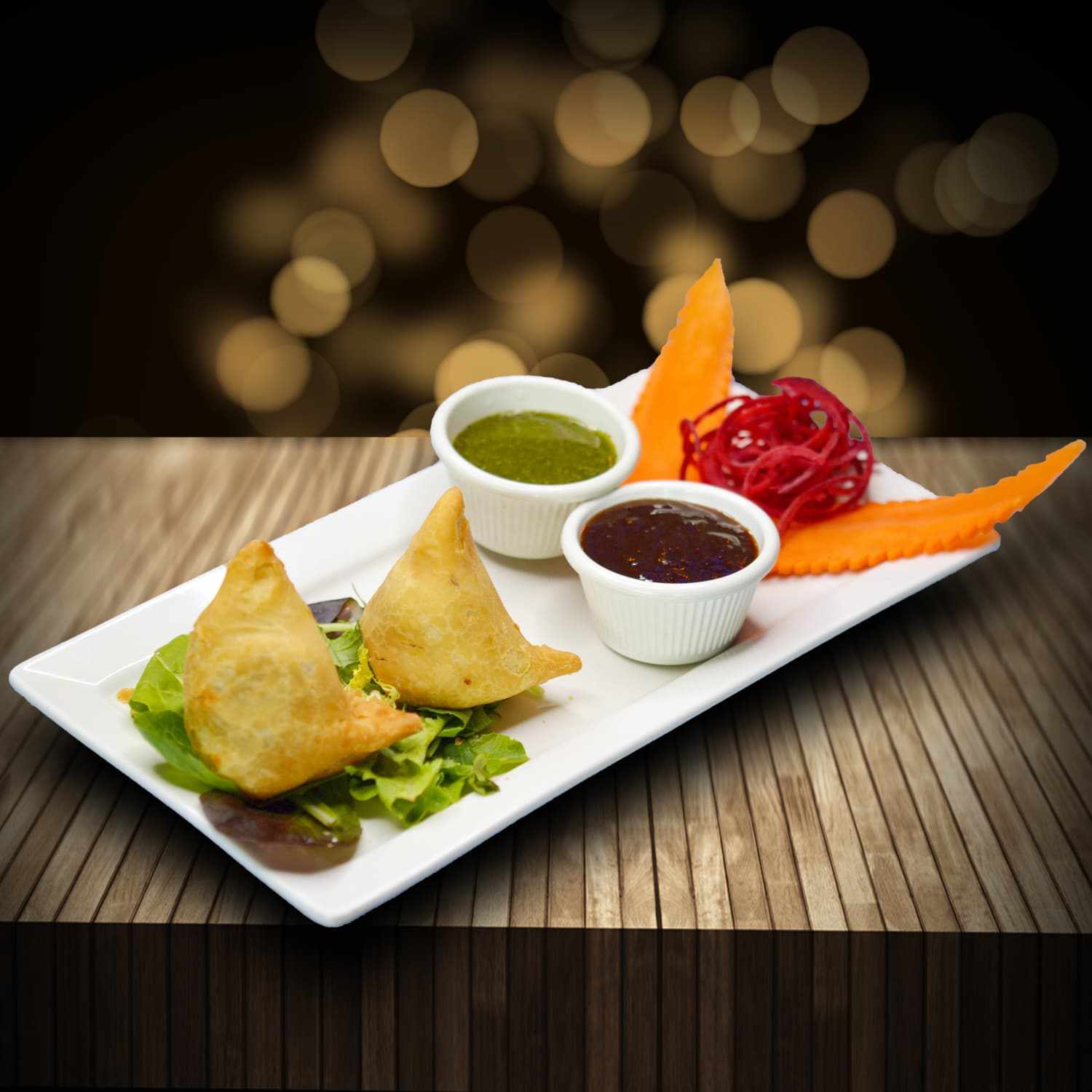
Most Indian restaurant menus in New Jersey follow a similar structure, beginning with appetizers, followed by breads, main courses, rice dishes, and desserts. Appetizers often highlight street food influences or fried starters, while main courses are typically divided by protein type such as vegetarian, chicken, lamb, or seafood. Many menus also categorize dishes by cooking method, such as tandoori (clay oven cooked), curry-based, or slow-simmered gravies. Recognizing this structure allows you to quickly identify sections that align with your dietary needs or taste preferences without feeling lost.
Knowing Your Spice Tolerance Before Ordering
Spice level is one of the most important considerations when navigating Indian menus. Indian food is not inherently spicy, but it is richly seasoned with spices that add aroma and depth. Many dishes can be customized from mild to hot, and reputable restaurants will clearly indicate spice levels or ask for your preference. If you are unsure, start with medium-spiced dishes and build your tolerance gradually. Communicating your comfort level ensures a more enjoyable meal and avoids overpowering heat that can mask delicate flavors.
Decoding Common Indian Dish Names
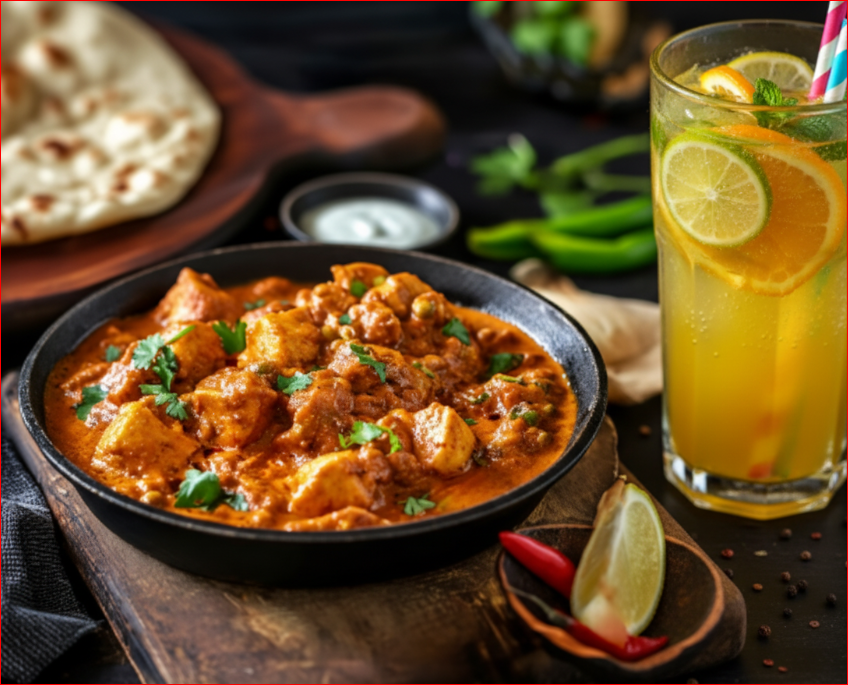
Understanding a few commonly used terms can make menu reading far easier. Words like “masala,” “korma,” and “vindaloo” refer to specific styles of preparation rather than single ingredients. For example, masala usually indicates a tomato-based sauce, while korma is creamier and mildly spiced. Vindaloo tends to be tangy and spicier. Learning these basics helps diners confidently choose dishes that suit their palate, especially when exploring offerings at the best Indian restaurants New Jersey diners frequently recommend for authenticity.
Balancing Your Meal Like a Local Diner
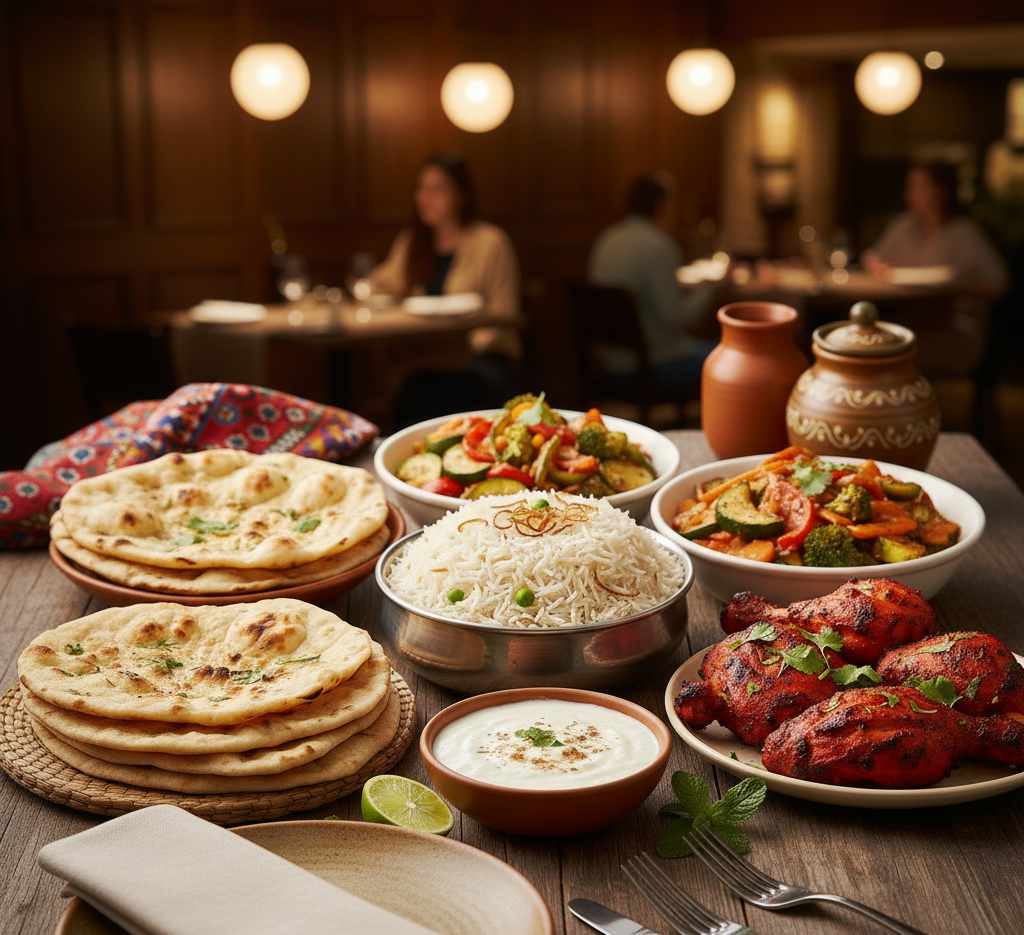
A well-rounded Indian meal is all about balance. Pairing a rich curry with lighter sides enhances the overall experience and prevents the meal from feeling too heavy. Rice dishes complement saucy entrees, while breads like naan or roti are ideal for scooping up gravies. To achieve balance, consider:
One curry-based dish for depth and richness
One dry or grilled item for texture
A neutral side such as plain rice or yogurt-based accompaniments
This approach mirrors how seasoned diners enjoy Indian cuisine and allows you to sample multiple flavors in one sitting.
Exploring Regional Variations with Confidence
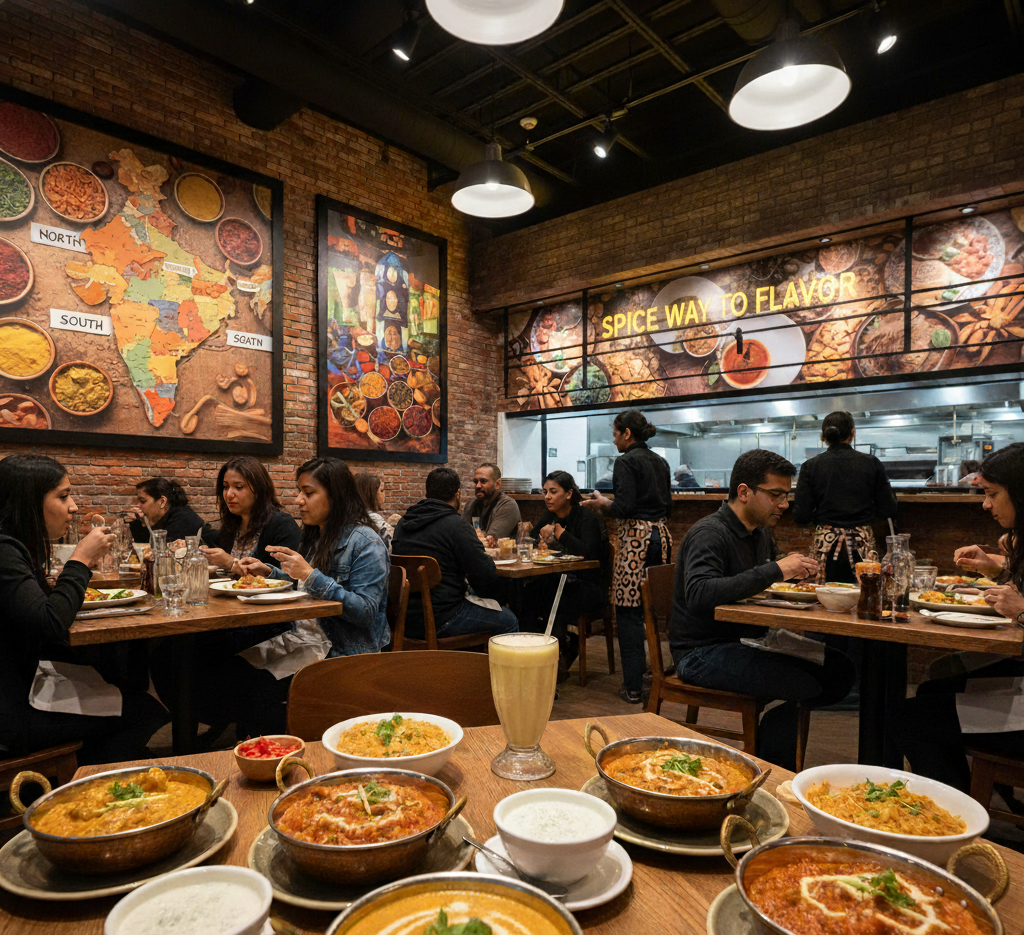
Indian cuisine varies significantly by region, and many menus in New Jersey reflect this diversity. North Indian dishes often feature creamy sauces and breads, while South Indian offerings emphasize rice, lentils, and tangy flavors. Coastal regions highlight seafood and coconut-based preparations. Taking time to explore regional sections helps you discover new favorites and appreciate the cultural breadth represented at Indian restaurants, especially those that celebrate traditional cooking styles.
Asking the Right Questions Enhances the Experience
Do not hesitate to ask servers for recommendations or clarifications. The best Indian restaurants New Jersey staff are usually knowledgeable about spice levels, ingredients, and popular combinations. Asking which dishes pair well together or which items are house favorites can lead to more satisfying choices. This interaction also helps first-time diners feel more comfortable and confident when navigating extensive menus filled with unfamiliar terms.
Order Smarter and Enjoy Every Bite!
Mastering an Indian restaurant menu is less about memorization and more about understanding patterns, flavors, and balance. With a little awareness, what once seemed complex becomes approachable and exciting. By applying these tips, you can order with confidence, explore new dishes, and fully enjoy the culinary depth offered by Indian restaurants in New Jersey. Next time you dine out, use these insights to elevate your experience and savor Indian cuisine like a true pro.






Write a comment ...