
Indian cuisine is celebrated worldwide for its vibrant flavors, aromatic spices, and bold combinations. For those new to Indian cuisine or even seasoned diners exploring Indian food in New Jersey, understanding spice levels is essential to fully enjoy the culinary experience. Indian food ranges from mild and comforting to fiery and intense, making it important to know how to select dishes that suit your taste and tolerance.
Understanding Spice in Indian Cuisine
Spice in Indian food doesn’t just refer to heat—it also encompasses aroma, flavor, and complexity. Common spices include cumin, coriander, turmeric, cardamom, mustard seeds, and chili, each contributing to the dish’s taste profile. The level of heat in a dish is usually determined by the type and quantity of chili peppers used.
When dining at Indian establishments, it’s essential to communicate your preferred spice level to the server or chef. Most restaurants offer a scale ranging from mild to medium, hot, and extra spicy, ensuring that every guest enjoys their meal comfortably.
Popular Spice Levels in Indian Cuisine
Understanding the general spice levels can help you make informed choices:
Mild: Minimal chili heat, focusing more on aromatic spices and flavor complexity. Ideal for first-timers or children.
Medium: A noticeable warmth that enhances the dish without overwhelming your palate. Suitable for most diners.
Hot: Intense heat combined with bold flavors, perfect for those who enjoy a spicy kick.
Extra Spicy: Very high heat, often accompanied by strong flavors. Recommended only for experienced spice lovers.
By knowing your tolerance, you can enjoy Indian food in New Jersey without discomfort and fully appreciate the layers of flavor each dish offers.
Choosing the Right Spice Level
When selecting dishes at an Indian restaurant, consider your personal preferences, experience with spices, and the type of dish:
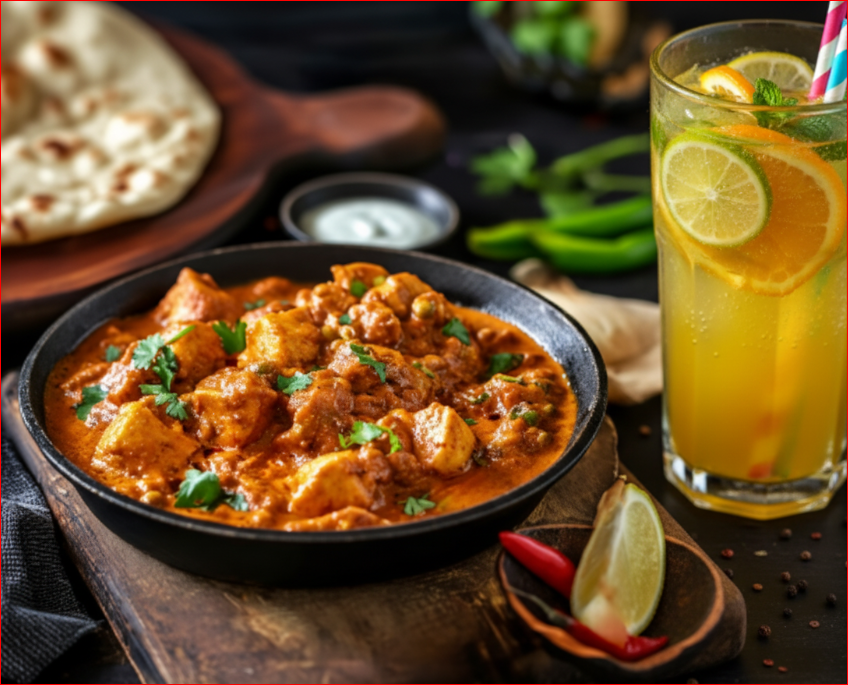
Start Mild: If you’re new to Indian cuisine, begin with milder curries such as butter chicken or malai kofta.
Gradually Increase: Once comfortable, try medium or hot dishes like chicken tikka masala or lamb vindaloo.
Understand the Dish: Some dishes naturally have a warming sensation even at lower spice levels due to ingredients like ginger, garlic, and black pepper.
Ask for Recommendations: Servers at top restaurants can guide you based on your taste preference and tolerance.
This approach ensures that you enjoy your meal while exploring the diverse flavors of Indian cuisine.
Regional Differences in Spice
India’s culinary diversity means that spice levels vary by region. North Indian dishes often use a blend of aromatic spices with moderate heat, whereas South Indian and some coastal dishes can be spicier due to the liberal use of chili and pepper.
For example:
North Indian Cuisine: Mild to medium heat, rich gravies, and creamy textures.
South Indian Cuisine: Medium to hot, featuring tamarind, curry leaves, and chili-based sauces.
Street Food and Snacks: Can range from mild to extra spicy, often enhanced with tangy and smoky flavors.
Understanding these regional differences helps diners at Indian food in New Jersey establishments choose dishes that match their preferred spice level while exploring authentic flavors.
Tips for Handling Spicy Food
Even if you enjoy some heat, certain dishes can exceed your comfort zone. Here are tips for managing spice while dining:
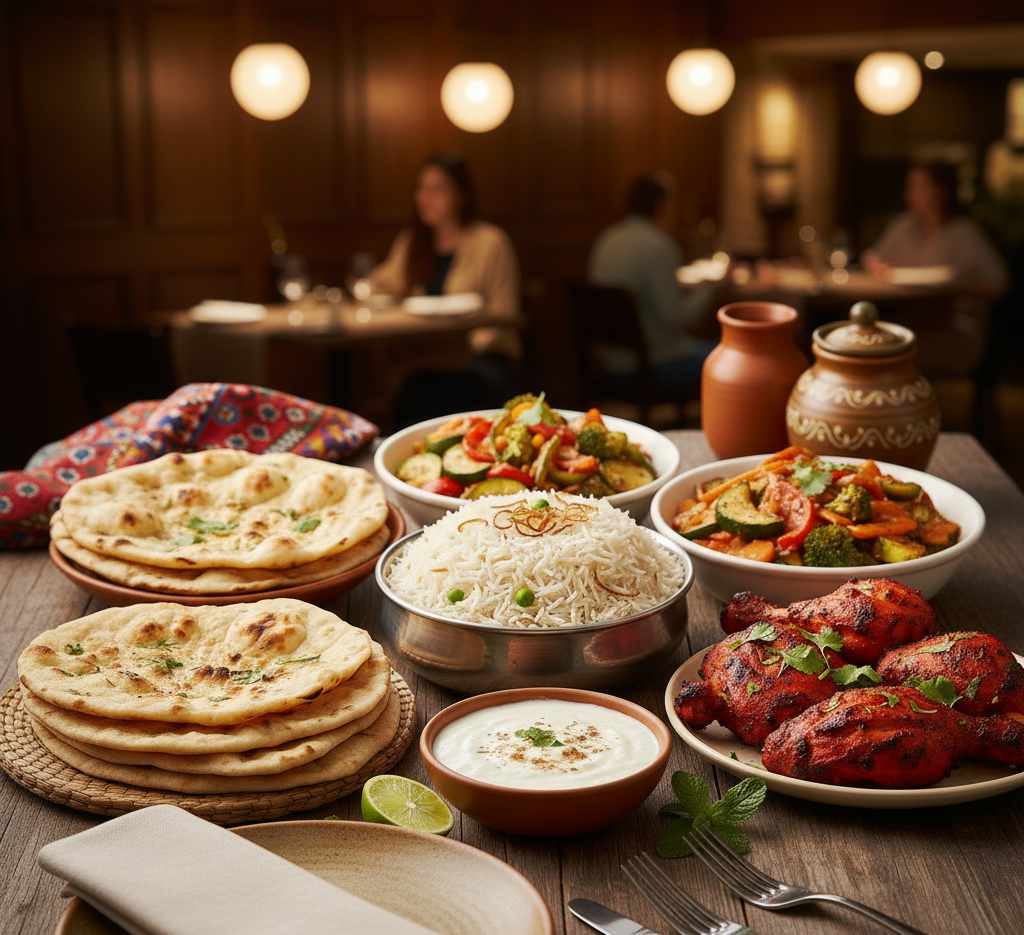
Pair with Dairy: Yogurt, raita, or lassi can cool the heat and balance the flavors.
Avoid Water: Drinking water can spread the heat; milk or dairy-based drinks are more effective.
Mix with Mild Dishes: Alternating between spicy and mild dishes can moderate the overall experience.
Taste First: Take a small bite initially to gauge the heat before committing to a full portion.
Following these strategies ensures that your dining experience at Indian restaurants remains enjoyable and flavorful.
Conclusion: Spice Your Way to Flavor
Spice is an integral part of Indian cuisine, offering warmth, aroma, and complexity to every dish. By understanding your tolerance, the types of spices used, and the regional variations, you can select dishes that perfectly match your palate. Whether you prefer mild, medium, or fiery heat, Indian food in New Jersey provides options for every diner.
Next time you visit Spice Rack, explore the menu confidently, experiment with spice levels, and savor the rich tapestry of flavors India has to offer.






Write a comment ...